
Don't Furry, Be Happy Animal Rescue
About
WHO AM I?I am Dr. Donia Heider; I have a Masters in Child Psychology and a PhD in Psychology (focusing on the impact of divorce on attachment and child development).History: I have lived in many places around Ontario, and around the world, including Saudi Arabia, Egypt & England. I know first-hand the devastating state in which animals live on the streets in places like Egypt. The cats are everywhere, in garbage dumpsters, eating out of the bins and living on the streets whilst facing abuse, neglect, and violence. The dogs are treated even worse. Dogs are thrown from roof tops, sexually abused, physically abused, abandoned for no reason at all, and most of the lucky ones are kept in shelters for their whole lives. I grew up knowing that they needed to experience love, care, and compassion, which in many cases is only possible through overseas adoptions. The rescue started as a mission to save animals from countries in the Middle East, but as the rescue evolved and grew, we began helping all over the world and locally as well - especially Northern communities in Ontario & Manitoba.Our current efforts: You will find a lot of our rescue efforts focus on saving felines from countries in the Middle East. However, due to the Canada-wide ban on importing dogs commercially from over 100 countries, we no longer rescue dogs from Egypt. With regards to canine rescue, our current efforts are focused on saving dogs from high-kill shelters in the USA (e.g., Texas), Barbados, and Northern Ontario & Manitoba dogs from remote communities, as well as from within Southern Ontario (local shelters and owner surrenders).How the dream started:When I was about 8 years old, living in Saudi Arabia where we relocated for my father's job, and attending an all-girls' school, I found a kitten behind the water fountain (no doubt trying to stay cool in over 40 degree heat), I quickly put her in my backpack and went to catch my ride home. We also had our beautiful Canadian family cat Cairo, with us at the time. Anyway, I brought this kitten home, unloaded her into my bedroom and closed the door, I still remember to this day how smitten I was with her (unbeknownst to me that she had no fur on one side of her body, which now I know was ringworm or mange). I would wait until everyone was asleep and I'd take her out into the kitchen and let her eat from Cairo's bowl of food and have a drink of water. I carried this on for about three days.On the third day Cairo started losing some fur around his mouth and my mother was getting worried, she kept asking if anyone else noticed his fur loss too, I started to feel extremely guilty and spoke up. My parents told me that the kitten had a disease and she had infected Cairo, too. I was devastated that we had to give her up but I knew right then and there what I needed to do. As a kid I had no control over which animals stayed in our home and which didn't, and I shouted at my mother, whilst tears poured down my face, "One day when I grow up I am going to save all the kittens in the world and let them all live with me!", she just smiled, as if to say, "Well, we'll just have to see, won't we."HOW THE DREAM IS GOING:
I officially started my rescue mission in May 2021 and have expanded my reach domestically and internationally. I have rescued approximately 4000 dogs, cats, and small animals to date.Rescuing is a team effort - a collaboration between all those who care for these vulnerable, voiceless beings, and I love working with other organizations to make a difference for animals around the globe.
Contact
WE ARE LOCATED IN SOUTHERN ONTARIO (CANADA) AND YOU CAN CONTACT US USING THESE METHODS:EMAIL US:
[email protected]CONTACT US ON OUR SOCIALS:
Facebook or Instagram
Here are our adoptable dogs & cats. Please check our social media pages as they can sometimes be more up to date.
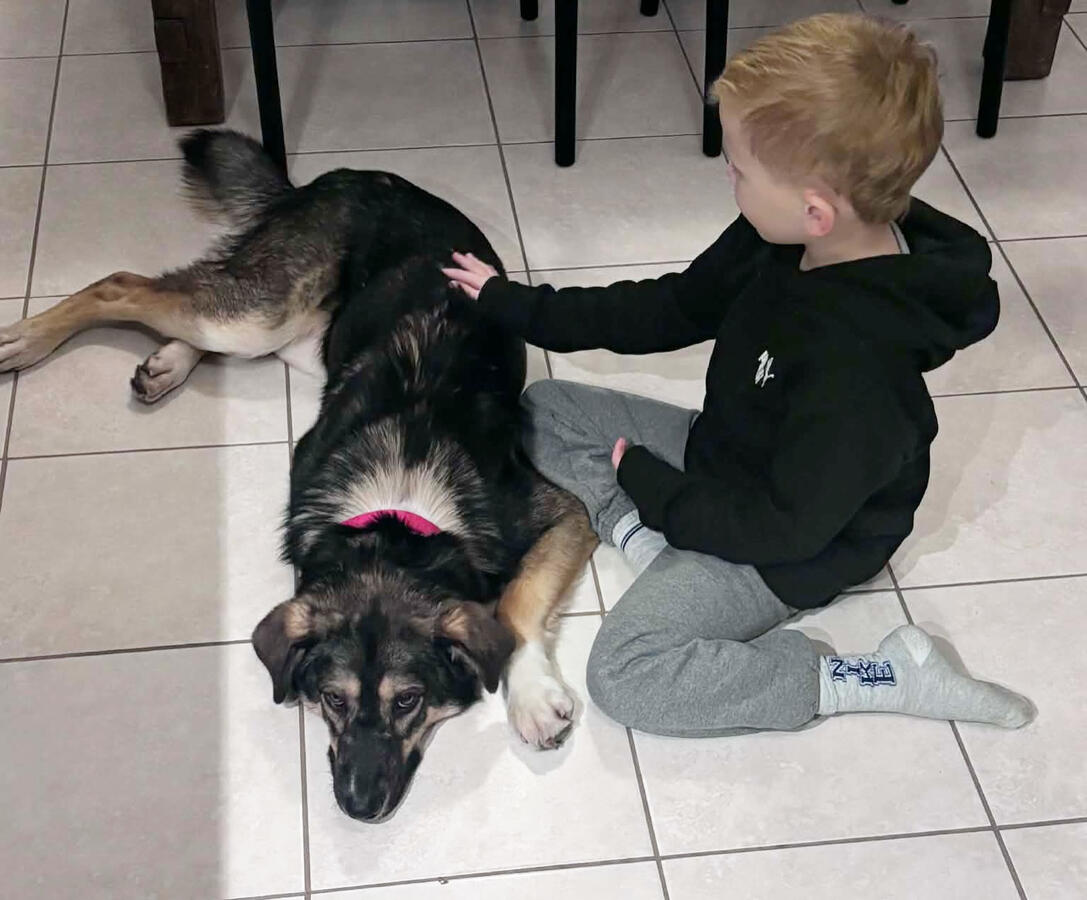
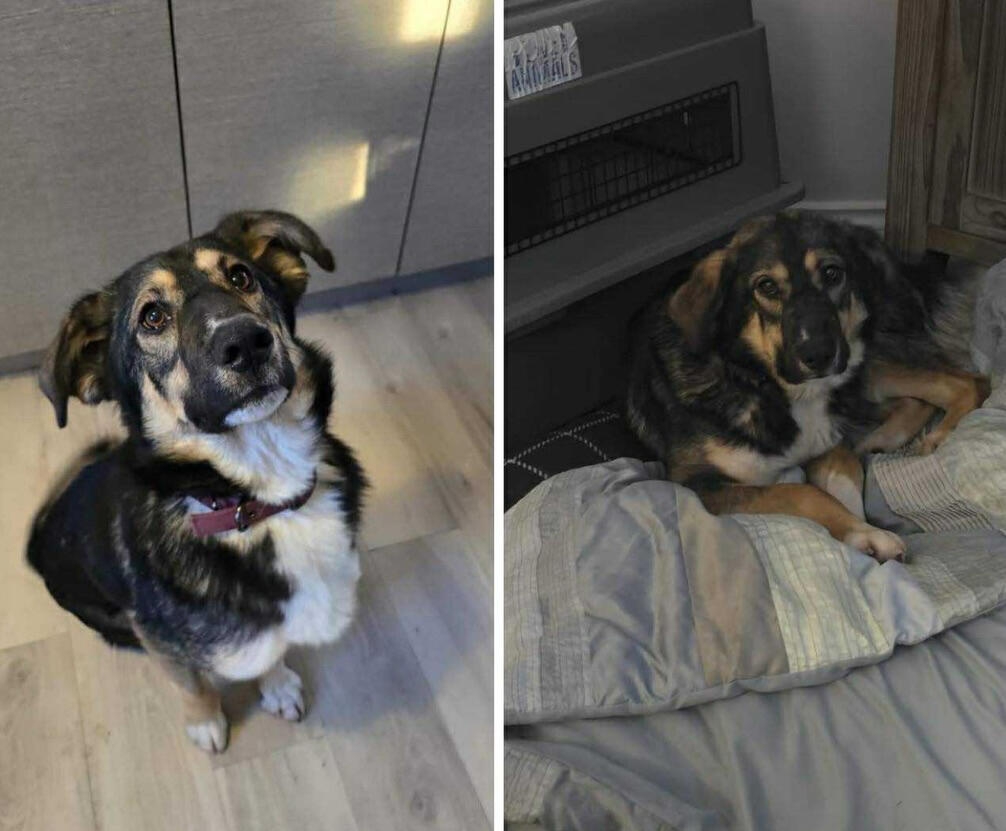
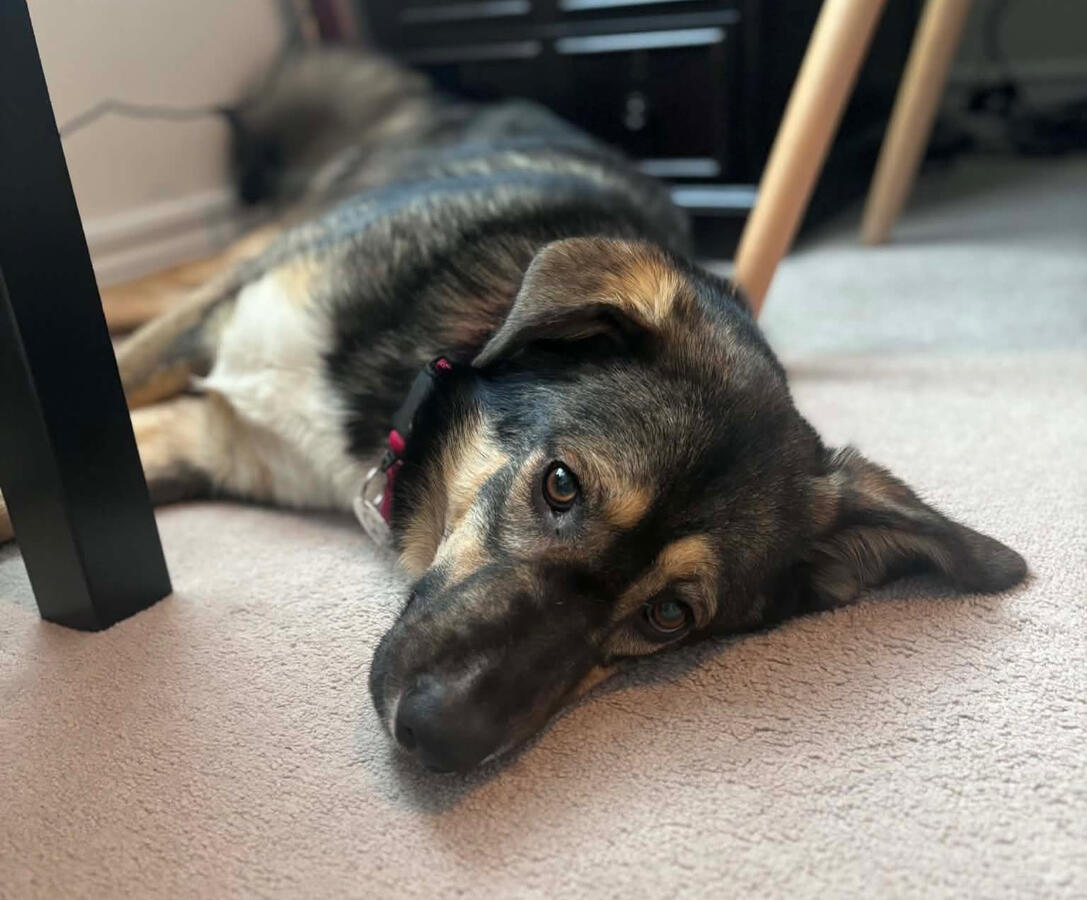
MIKEYBreed: Shepherd Mix
Weight: ~55 lbs
Age: ~2 years
Sex: Male
Vetting: Vaccinated, Neutered & Dewormed
Fostered in: Milton, ONAbout MeMeet Mikey! This gentle, loving boy was rescued from Northern Ontario. We don’t know much about his past, but he has settled beautifully into foster care and is ready for his forever family.PersonalityMikey is a super sweet, calm, and easy-going pup with a medium energy level. He is the definition of a Velcro dog—wherever you go, he happily follows. He loves being near his people and thrives on companionship.
He’s amazing with kids: patient, gentle, and unfazed by running, playing, or noise. He’s also impressively quiet; he rarely barks and isn’t bothered by doorbells or visitors.Training & BehaviourMikey is a smart boy and training is ongoing. He knows “sit” and is working on “down” and “stay.” He walks nicely on leash most of the time, but he can get excited when he sees other dogs or squirrels—he’s strong and will need continued guidance with this.
He is crate trained (a little whining at first, but he settles) and fully house trained.What I NeedMikey would do best with a patient home committed to continuing his training. He’s eager to please, loves being near people, and wants nothing more than to be part of a loving family.Fun FactMikey loves food. He’s always hoping for an extra snack and waits politely for crumbs to fall. He shows no food aggression and will happily go lie down when asked—even if he’d rather stay near the snacks!
⸻
Ready to adopt Mikey?
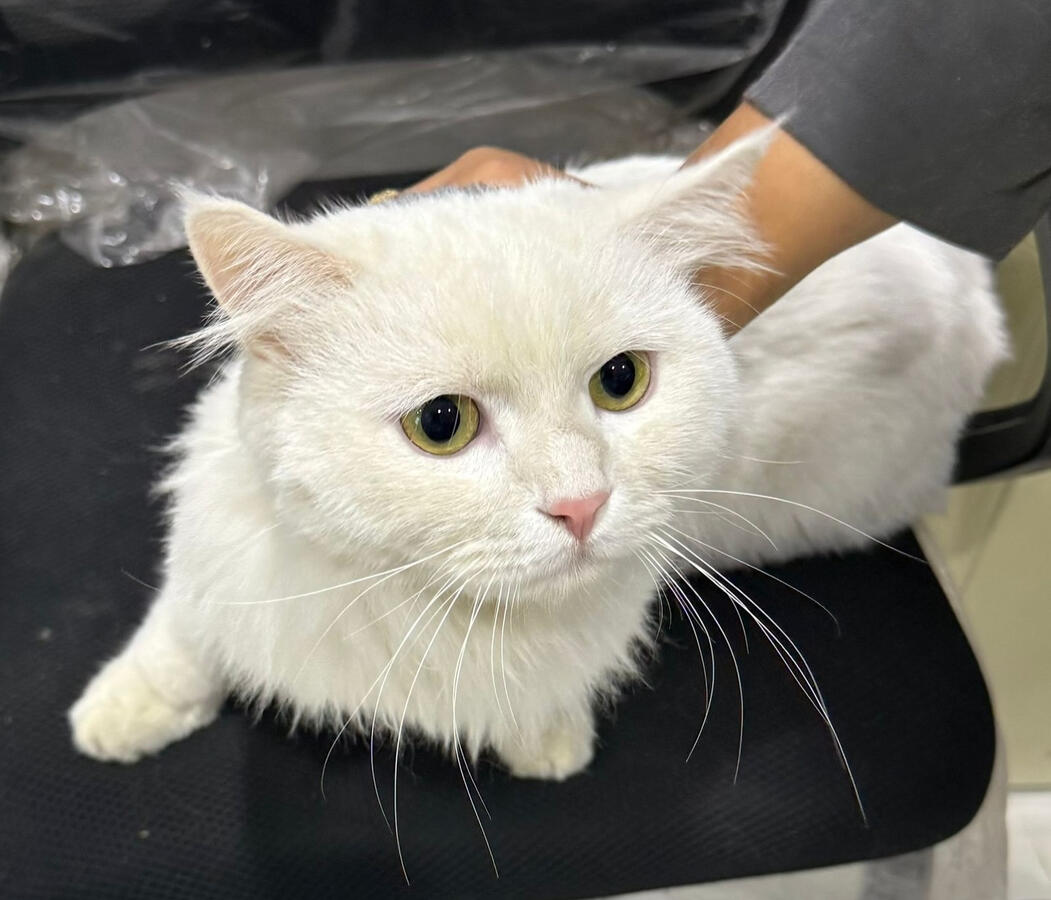
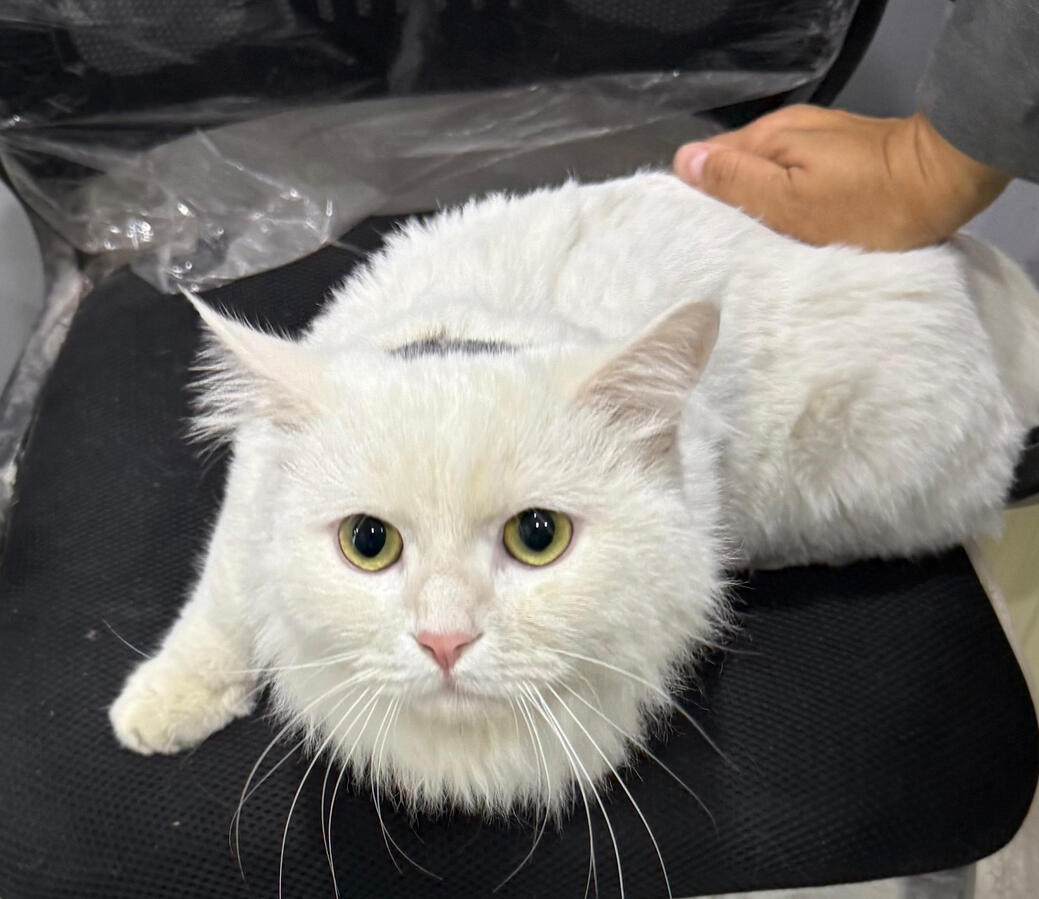
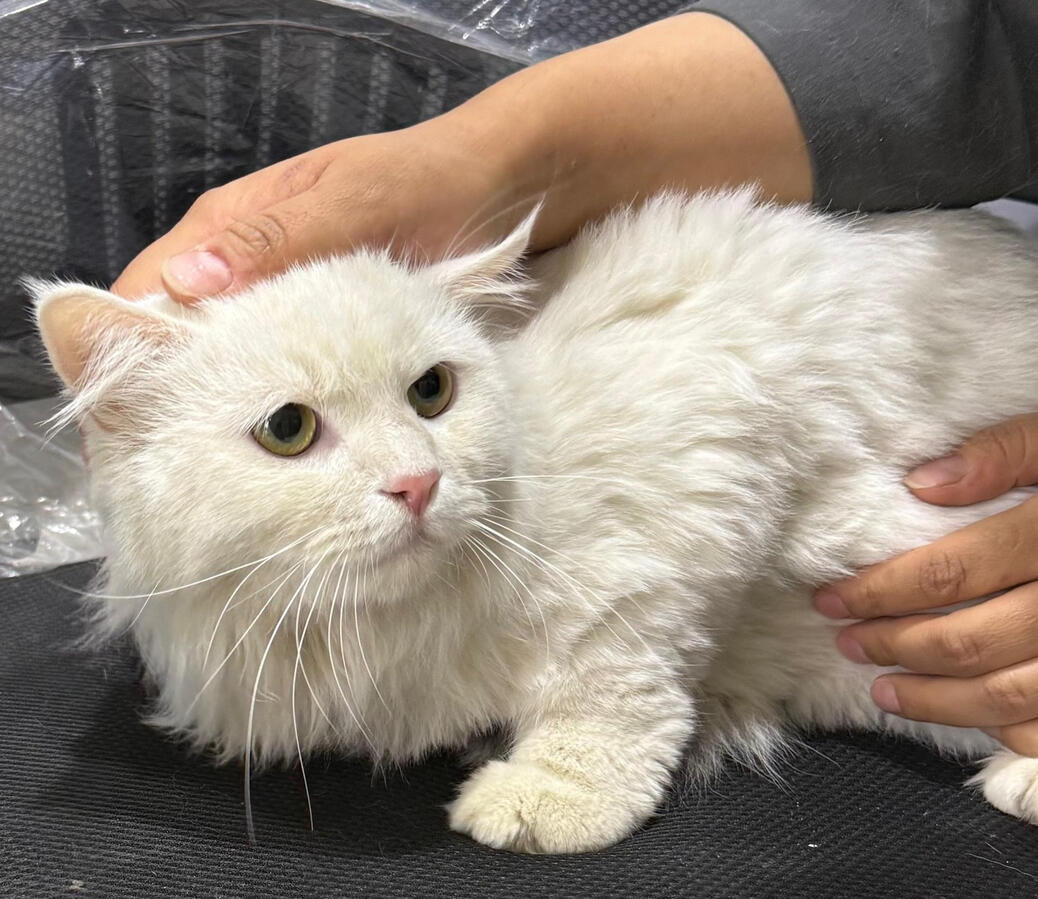
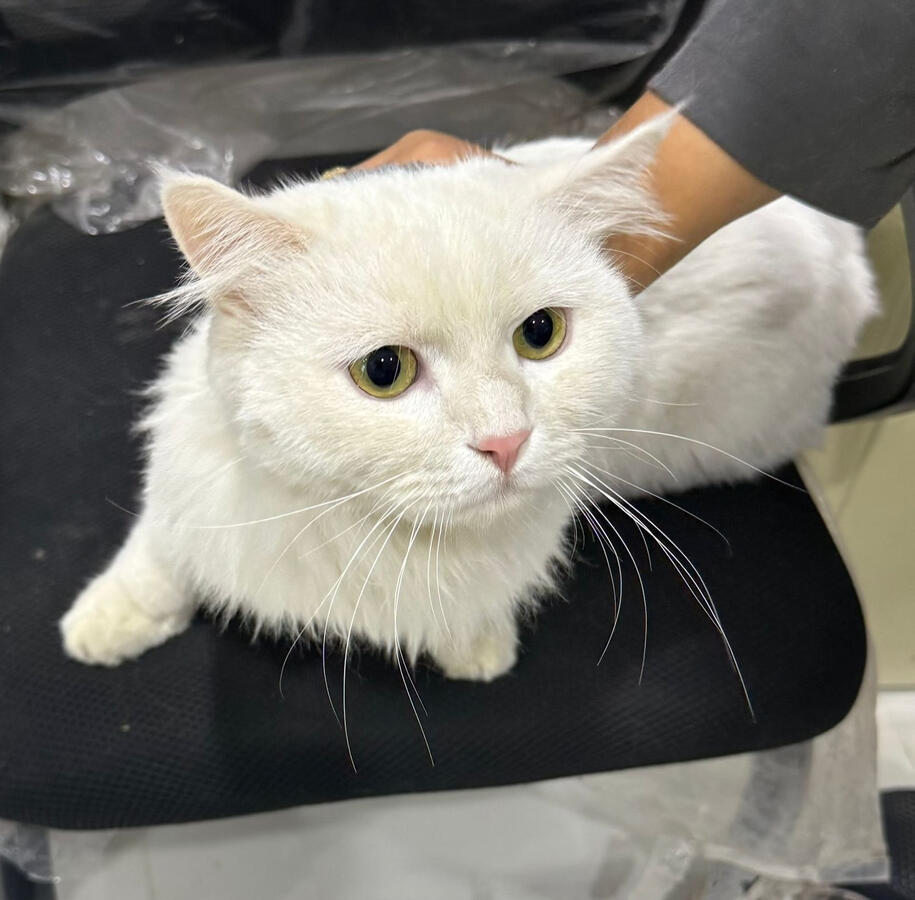
Meet Bunny
Breed: Persian / Angora mix (best guess)
Sex: Male
Age: ~3 years
Good with dogs? Not tested
Good with cats? Yes
Good with kids? Yes
Good with people? Yes
Energy level: Medium
Litter trained: Yes
Spayed/Neutered: Yes
Vaccinated: Yes
Microchipped: Yes
Behavioural concerns: None
About Bunny:
Bunny is a very sweet and gentle boy with a soft, affectionate nature. He’s still a little shy—understandably so, after being suddenly abandoned by his previous owners. One day, they simply decided to leave him at a golf club. Thankfully, he was spotted right away and brought to safety before anything could happen to him.
Despite what he’s been through, Bunny remains loving and trusting. He enjoys calm environments, gentle affection, and will blossom in a patient, caring home. With a bit of time and reassurance, Bunny will become the cuddly, loyal companion he’s meant to be.
If you’re looking for a soft-hearted, beautiful Persian with a sweet soul, Bunny is waiting for you. 🐾
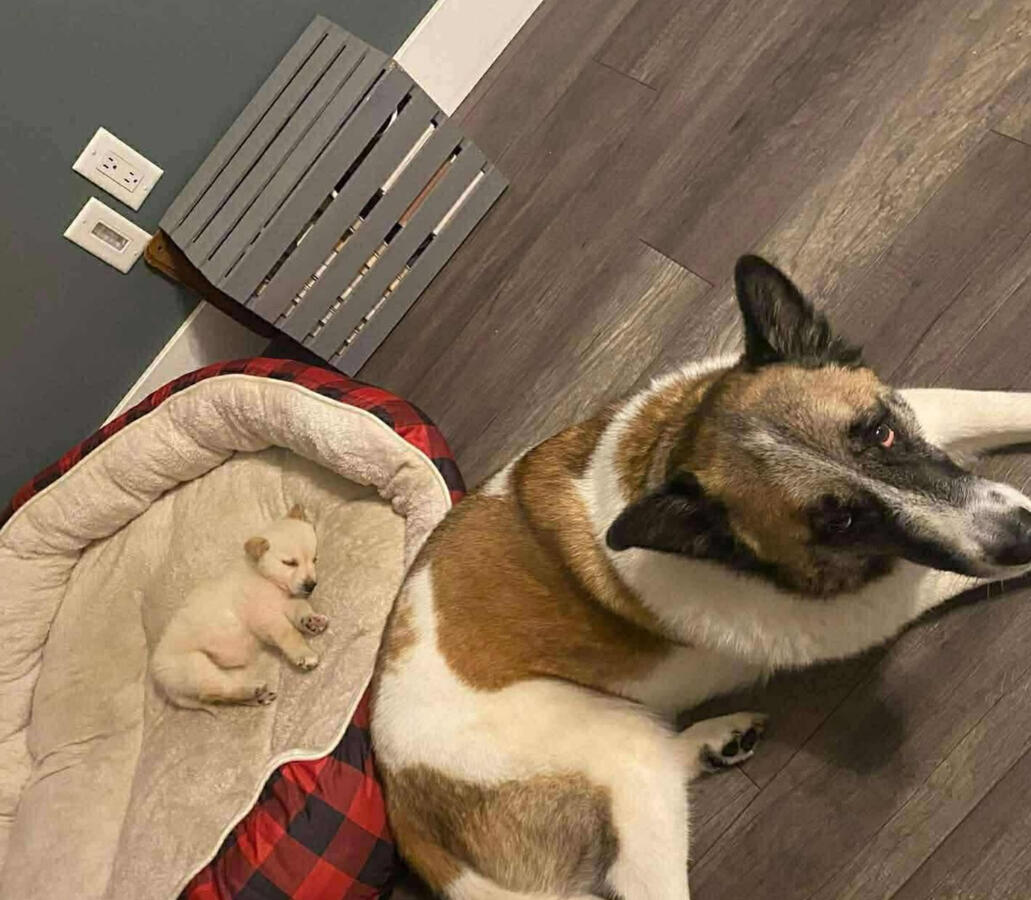
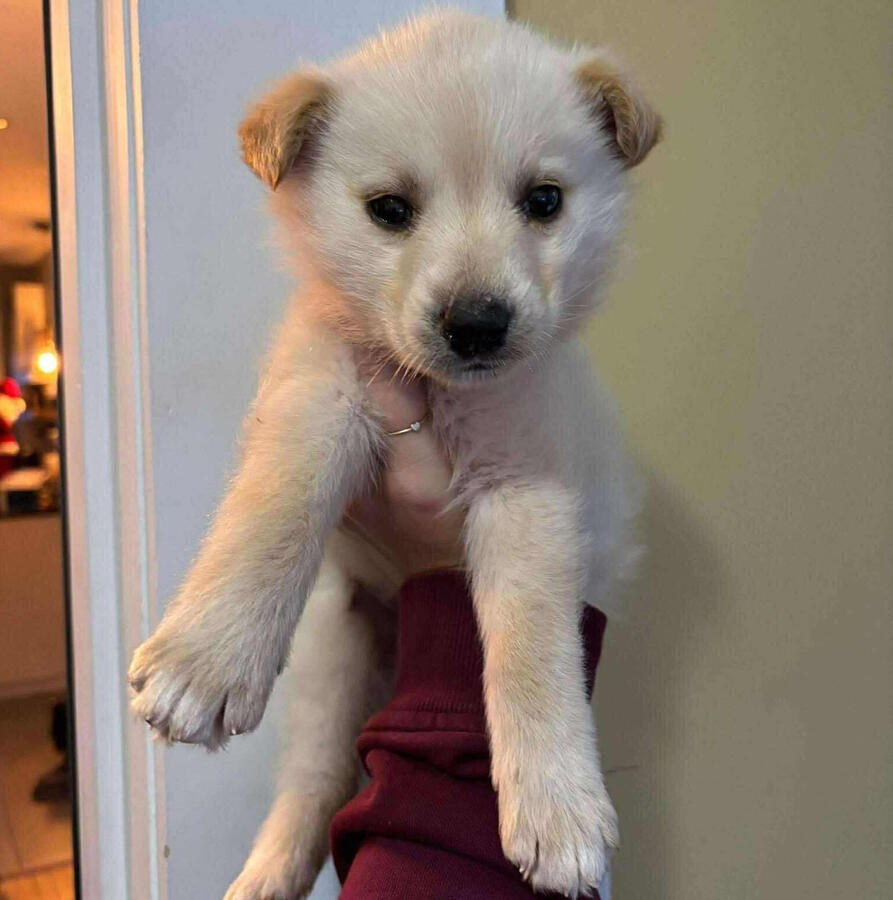
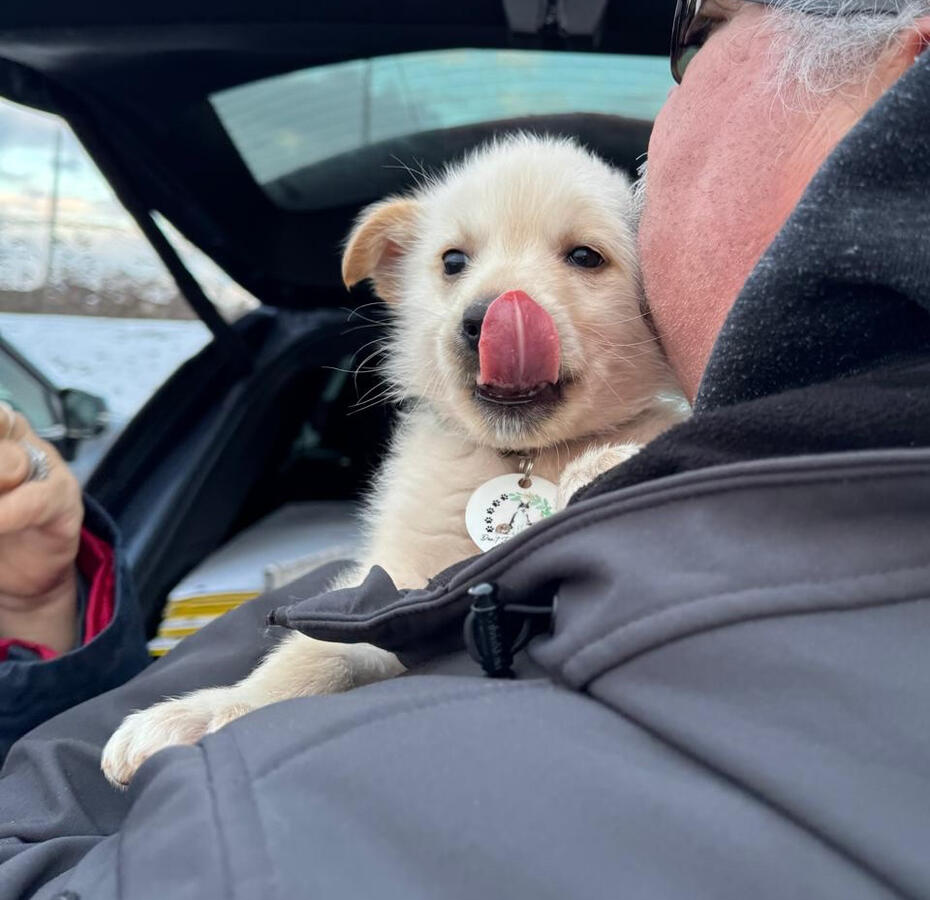
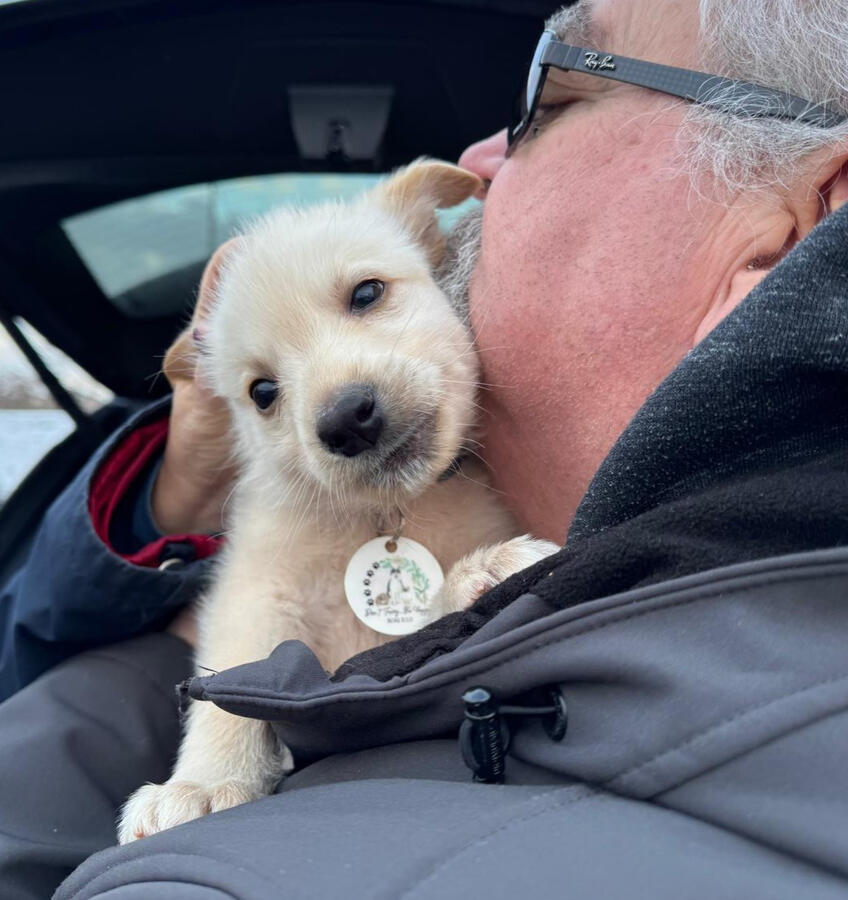
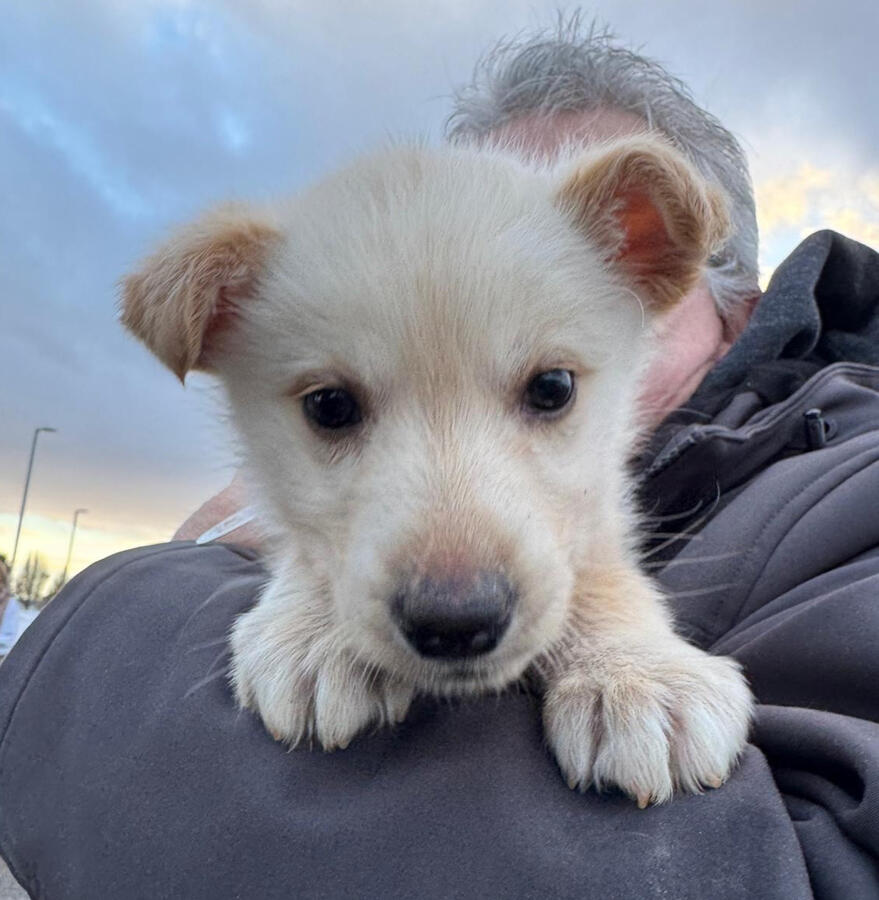
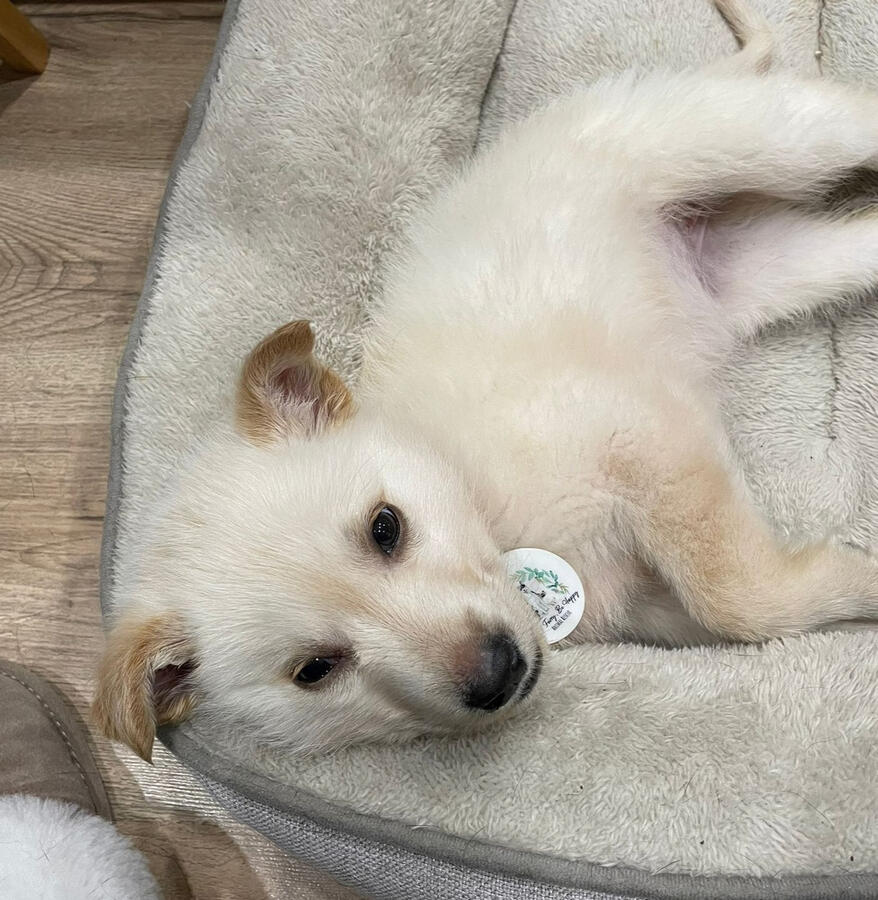
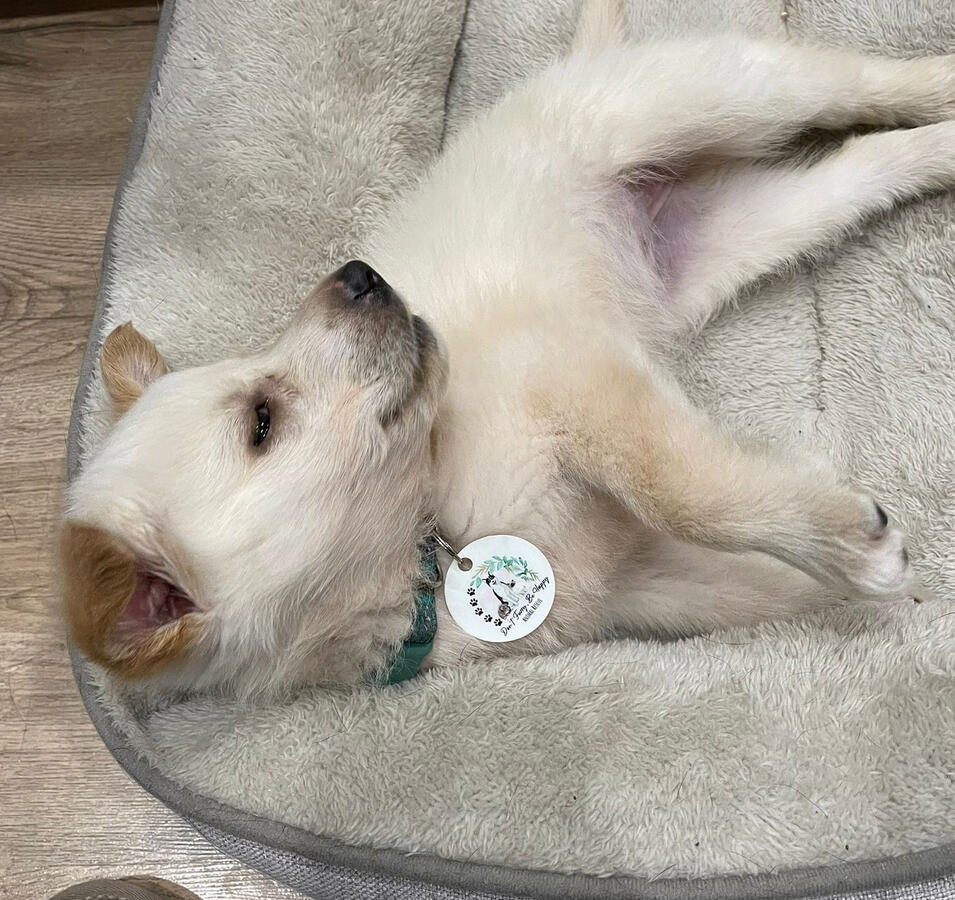
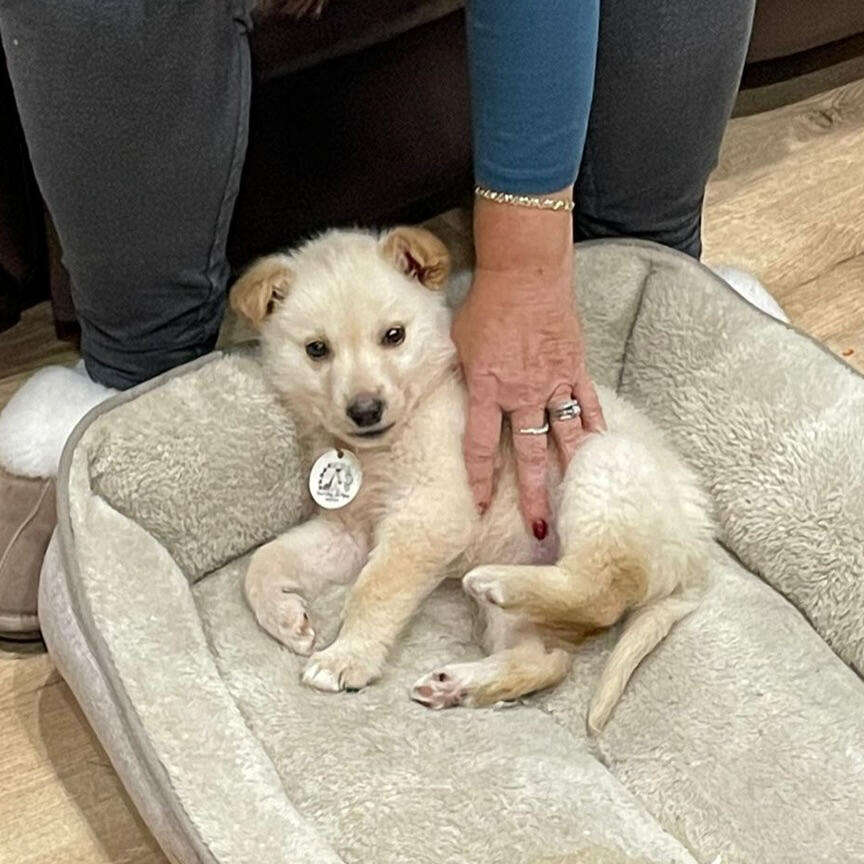
Haven
Fostered in Keswick, ON
Breed: Husky Mix
Sex: Female
Age: 9 Weeks
Weight: 6 lbs
Vetting: Vaccinated & Dewormed
Availability: Ready for adoption after December 17th
Rescue Origin: Saved from Northern Ontario
Haven is an absolute sweetheart—fun, loving, and full of puppy charm. She’s wonderful with dogs, cats, and kids, making her a perfect fit for almost any family.
She is crate trained and sleeps through the night like a little angel, which is a huge win for such a young pup! She is puppy pad trained as she is not allowed outside yet (until she gets her booster).
If you’re looking for a cuddly, entertaining baby girl to add to your family, Haven might be your perfect match.
Fostering is the backbone of our work, without fosters we would not be able to rescue, rehome, and/or accept animals into our organization.Fostering is crucial to continuing our work and operating our organization. If you would like to foster with our organization please fill out the application below by clicking the link provided!Thank you so much for your time and we will reply to your applicaiton, if eligible, within 2-4 business days. Please remember, fostering saves lives.What is Fostering?
1. Fostering helps pets show off their best side: Unsurprisingly, many pets experience high levels of stress while in the shelter. This can result in some animals withdraw and become timid, while it can cause others to display hyperactive or even aggressive behavior. When you foster a pet, you give it a safe space where their true personality can begin to shine through.2. You'll know what they need in a forever home: As your foster pet settles into life in your home, you'll get to know them as an individual. You'll learn their likes, dislikes, and any quirks that they may have. This is especially important when matching a pet with a forever family, as you know firsthand what type of home would best meet their needs.3. You can teach them important skills: Whether you're fostering a puppy, kitten, or pet that hasn't spent much of their life indoors, fosters play an important role in teaching pets how to be comfortable in a home. Whether this is getting a head start on house training or simply getting them
used to the sounds and smells of inside, you're helping them have an easier transition to their forever home.You're saving more than one life: When you take an animal out of a shelter, whether temporarily as a foster or forever as an adopter, you're making space for another animal in need. This is especially important to keep in mind when it comes time to bring your foster to their forever home. As hard as it is to say goodbye, by doing so you're able to help more pets.How can I become a foster parent?
Once you've found an organization you want to work with, you'll be asked to fill out an application (link can be found below this article) where you share information about yourself, your living situation, your experience with pets, whether there are any other animals in the home, and the reason why you're interested in fostering. This will help the rescue get a better idea of what pet would be a good fit for you.
What are my responsibilities are as a foster?- PICTURES, PICTURES, PICTURES! If you are not photo-savvy please reach out to us and we would be happy to help. However, photos remain one
of the best ways to get your foster dog/cat adopted and have interest generated in him/her-You are expected to transport your foster pet to our partner veterinarian when necessary (Vet expenses covered by us)- You are expected to write & send via text a bio/paragraph about your foster's personality, quirks, and any information that may be helpful to future adopters- For dogs, you are expected to work on basic training such as house-training, leash-training, and crate-training. These skills ensure your pup is "adoptable".- For dogs, you are expected to exercise your dog, pee-pad training is not recommended, and minimal exercising will lead to a frustrated pup who is under-socialized, and under-exposed to the comings and goings of the outdoors = anxiety/fear/unwanted behaviours and reactions!- For cats, you are expected to keep the litter box maintained & keep him/her stimulated indoors via play, feeding puzzles, and affection (if they accept it). You are also expected to keep your cat safe from escaping outdoors; this includes but is not limited to, watching when opening/closing
back and front doors, especially if you have a busy household; make sure windows have screens and cannot be easily removed/pushed out or pulled in.What are some tips for first-time foster parents?If you've never fostered a pet before, you might be a little bit nervous before your new friend arrives and that's okay! Taking on a pet, whether for the short or long term is a big responsibility. To help you feel a bit more prepared for your first foster, we've put together some tips you might
want to know.1. Have everything prepared before your foster arrives: Start by doing a walkthrough of your home and making sure that everything is 100% pet-safe. Next,
check with the organization your foster is coming from to ensure that you have all the necessary supplies. While many provide the basics, you may want to pick up a few items, such as toys, as a welcome gift.2. Be prepared to be flexible: One of the aspects of fostering that some first-time foster parents struggle with is the fact that you don't know how long
a pet will be with you. Some pets may be with you as little as one day while others could be there for months - though the average tends to be a few weeks. You can rarely know exactly how long a pet will be in your care, so you need to be flexible when it comes to timelines.3. Saying goodbye is the goal: You'll inevitably bond with your foster, especially if it's your first, but try to remember that saying goodbye is the goal.
When you say goodbye it means you've helped your foster find a family that will love them forever, and you are opening up space in your home to help another pet in need.If you're ever considered fostering a pet, there's never been a better time. We hope that we've given you a good overview of what you need to know about becoming a foster parent, but if you still have questions don't hesitate to reach out to us.Source: https://freshpet.com/en-gb/blog/everything-you-need-to-know-about-becoming-a-foster-pet-parent/#/
SURRENDER AN ANIMAL
PLEASE FILL OUT THE FORM USING THE LINK BELOW TO SURRENDER AN ANIMAL TO US.WE WILL TRY TO RESPOND WITHIN 2-3 BUSINESS DAYS.NOTE: We only accept FIXED rabbits.NOTE: We cannot accept any Guinea Pigs at this timeNOTE: We require all vetting/documents/medical history to be emailed to [email protected]
prior to the acceptance of your surrender.
Adoption Fees
We DO NOT offer payment plans.Adoption rates (as of January 2026):
Dogs
A puppy 16 weeks and under:
$1000 - please check individual bio - (includes spay/neuter, vaccines, microchip, deworming, check up, all completed at our partner vet clinic in Mississauga). Families will also be required to enroll puppies in a basic obedience class at their own cost. Proof of basic obedience training and spay/neuter is required to finalize the adoption.A puppy between 17 weeks and 11 months:
Starting from $900 - please check individual bio - (includes the same vetting mentioned above). Families will also be required to enroll puppies in a basic obedience class at their own cost. Proof of basic obedience training and spay/neuter is required to finalize the adoption.A dog 12 months and older:
Starting from $850 - please check individual bio (standard vetting is included, such as, basic vaccines, rabies vaccine, neuter/spay, microchip, deworming).Senior dogs: Starting from $650 - please check individual bioBonded pair: Fee varies - please check individual bioSponsored dogs have reduced adoption rates; dogs with special needs may have lower adoption rates; dogs coming from abroad may have higher adoption rates
CATS
A kitten 16 weeks and under:
Starting from $450 - please check individual bio - (includes basic vaccines, rabies vaccine, microchip, deworming, spay/neuter, will be done at our partner vet in Mississauga if not already done prior to adoption).A kitten between 21 weeks and 11 months: Starting from $400 - please check individual bio - (includes vetting outlined above)A cat 11 months and older:
Between $300-$500 - please check individual bioA senior cat (over 6 years):
Starting from $200 - please check individual bioBonded pair: Fee varies - please check individual bioSponsored cats and those with special needs may have reduced adoption rates; cats coming from abroad may have higher adoption rates.
Other Cost Considerations
Dogs
The transition into a new home can be a stressful and scary experience for even the most well-adjusted dog. During this time, your dog is more likely to be a flight risk and extra caution should be taken to secure them at all times.In addition to the adoption fee, families must arrive to their scheduled pick-up day with the following safety supplies:-1 Martingale Collar - When fitted correctly, a martingale collar is comfortable and virtually impossible to slip out of.- Harness & Seat Belt - One of the top ways people lose pets is during car travel. You can purchase the seat belt at most pet stores for around $15 (Amazon is very budget-friendly). NEVER attach the seatbelt to a collar as this could result in fatal injury in the event of an accident. It should be used with a harness only. Never let your dog ride in the front seat. An airbag deployment can result in fatal injury.- 1 Nylon Leash - NO retractable leashes; they are dangerous and can result in avoidable lost dogs scenarios, serious injury, and even death.- 1 ID Tag for Collar - these can be purchased at any pet store and should be engraved with your phone number and the dog's chosen name.All families will be required to have a TRACTIVE GPS tracker for their dog's collar or an AirTag or an Android equivalent (e.g., Tile, Samsung) - we do offer a code for a free Tractive device when you subscribe to their one year plan - please ask us if you'd like one.
Foster-to-Adopt
As a foster-to-adopt family, you'll be expected to take your new family member home once approved. You will then have two weeks to get to know your furry house guest before committing to adoption. At the end of two weeks, if you choose not to move forward with adoption, we simply ask that you continue to provide a safe and loving home until their new forever family can be found. Foster-to-adopt families will be required to pay the entire adoption fee up front once approved with DFBH.If at the end of two weeks you choose not to adopt, your adoption fee will be refunded to you within 30 days of your foster dog being adopted into a new family AS LONG AS you see your foster dog through to adoption.If you choose not to see your foster dog through to adoption, you will forfeit your payment.Foster-to-adopt families are required to provide their own supplies and must arrive to pick up with the required supplies (see above "Other Cost Considerations").
Cats
Lost cat prevention is of the utmost importance at DFBH. There is a zero tolerance policy for any outdoor activity for your new cat. If this is not something you plan to adhere to after adoption, please do not adopt an INDOOR ONLY cat from DFBH.Our rescue cats are frightened during their transition into a new home and are major flight risks. All doors and windows must be secured; if children are going in and out of the home frequently and leaving the door open, it is your responsibly to ensure your cat is safe and has not escaped.Adoptive families are encouraged to purchase the following items prior to bringing their new kitty home:
*A cat tree/tower/climber
*At least one litter box per cat, placed away from where they eat and drink
*Cat toys
*Cat nip
*Products (e.g., Feliway plug-ins) can help to reduce anxiety in felines by releasing calming pheromones, although not necessary for adoption - we
may strongly recommend them in certain cases.These items will ensure your cat is happy, calm, and/or stimulated, creating a more enriched environment, thus, reducing his/her risk of escaping.All foster-to-adopt and adoptive families are required to purchase the following items:
*A quick release collar (if not purchasing a Tractive, see below) with an ID tag - these can be purchased at any pet store and should be engraved with your phone number and the cat's chosen name.*All families will be required to have a TRACTIVE GPS tracker collar for their cat - we do offer codes for a free tractive device with your one-year subscription.*If you do not purchase a tractive GPS tracker then an AirTag or the Android equivalent (Tile, Samsung, etc.) will be fine - Amazon sells breakaway collars for cats with the AirTag holder already built in - these are between $6-$8. If you purchase the Android equivalent then you will need a separate holder or way to attach it to the cat's collar.
Foster-to-Adopt
As a foster-to-adopt family, you'll be expected to take your new family member home once approved. You will then have two weeks to get to
know your furry house guest before committing to adoption. At the end of the two weeks, if you choose not to move forward with adoption, we
simply ask that you continue to provide a safe and loving home until their new forever family can be found.Foster-to-adopt families will be required to pay the entire adoption fee up front once approved with DFBH. If at the end of two weeks you choose not to adopt, your adoption fee will be refunded to you within 30 days of your foster cat being adopted into a new family AS LONG AS you see your foster cat through to adoption. If you choose not to see your foster cat through to adoption, you will forfeit your payment.Foster-to-adopt families are required to provide their own supplies (see above "Other Cost Considerations"). Carriers are usually provided at pick up.INSURANCEWe strongly recommend activating pet insurance as this can greatly reduce your financial investment in medical/emergency care throughout your pet's life. We also believe purchasing pet insurance is in the best interest of your pet, as you will be able to cover any treatments necessary to keep your pet healthy and happy without worrying about finances. You can discuss this further with a member of our team. However, insurance companies do not cover any medical expenses related to pre-existing conditions.
FAQ
Q: WHAT'S THE DIFFERENCE BETWEEN FOSTERING & FOSTER-TO-ADOPT?
Fostering is sort of like pet-sitting. We provide supplies & cover necessary vetting of the animals as they are still under our rescue care but you provide a home for them to live in until they are adopted.Foster-to-adopt is basically adoption but you have a 2-week trial period before fully committing to adoption. This is a great way to ensure you and the animal are a good fit for one another. we do not provide supplies to foster-to-adopt families. There are specific circumstances where we cannot offer the foster-to-adopt option. for instance, if the animal is already in a stable foster home and could be negatively affected by moving to too many homes - in this case we prefer the animal to go directly to their forever/adoptive home.*Note: in both fostering & fostering-to-adopt, if any vetting is required, we will cover the expenses as long as the animals are seen by our partner vet in Mississauga, ON.
Q: HOW DOES THE ADOPTION PROCESS WORK?
We require an adoption application to be filled out, then we carry out a Phone interview + home/yard tour virtually, then a reference check, and finally, a legally-binding contract. We do not take rehoming an animal lightly and thus, must ensure they are not going to be rehomed again or experience any further trauma.
Q: HOW MUCH DOES IT COST TO ADOPT?
Please see our "Adoption Fees" page.Please Note: We are a federally registered non-profit organization & have many local animals in foster homes & in our care. Our only way of covering their medical care,
food, transportation fees, & supplies is primarily through adoption fees. We cannot offer discounts or payment plans.
Crate Training your Puppy:
No matter how puppy-proofed your home is, curious puppies can always find trouble when left to their own devices. One of the best ways to keep your pup safe and help with their training routines is to crate train your puppy.Some people see crates as a dog jail, and when improperly used, that’s exactly what they are. Crates aren’t meant to be used for time out or punishments, but instead, a safe and comfortable space to contain your dog when he can’t be supervised.If you have questions like - How long can a puppy be in a crate? or - How long does it take to crate train a puppy? Read this article for answers and tips to get started on your dog crate training journey.What is Crate Training?
Crate training your dog is a training method that involves teaching your dog to accept a crate or kennel as a den substitute. Wild dogs are den-dwelling, which means that when they are not hunting, exploring, or playing, is spent relaxing in a den.It's a natural instinct for dogs to accept a crate the same way they would accept a den. Not every dog will welcome a crate with open arms, but a consistent training routine will help them accept the crate as a safe and comfortable space of their own.Crate training can begin at any age, but is most common in puppies as it helps to build routine and positive habits.Benefits of Crate Training Your Puppy
Puppies thrive with structure and boundaries, and crate training is a useful part of that. If you wonder if crate training is right for your puppy, then take a look at some of the benefits of crate training and how it can help you navigate the delicate puppy stage.Safe SpacePuppy-proofing your home helps make a safer environment, but even there will always be dangers lurking. Cords, cleaners, planters, and even the string from your curtains can be a hazard if a curious puppy decides to explore.Crating your puppy will prevent him from putting himself in danger when you can’t be there to supervise him.Destructive BehavioursPuppies are very curious and can get into lots of trouble when left to their own devices. Safety aside, puppies can learn some very destructive habits when they are bored. Chewing is soothing during their teething stages, and most pups aren’t that particular about what they chew.Your couch, shoes, and even your baseboards are at risk to an unsupervised and under-stimulated puppy. Crate training can be useful for preventing your puppy from learning these bad habits.Potty Training AidYoung puppies have a lot to learn, and balancing all of your puppy’s training by blending their routines can make the whole process easier. Crate training goes hand-in-hand with potty training, so crates can be especially helpful for teaching your dog to build their bladder control.Alone TimeSometimes puppies just need some time alone to destress. If you have other pets in the house, young kids, or even just multiple people sharing the living space, your puppy will benefit from having a quiet space that is just his.In time, your puppy may go to his crate voluntarily to nap, to nom his favourite chew or toy, or just to hide away from all the commotion in the house.TravelCrates are excellent for travelling too. Whether you are taking a road trip, camping with your dog, flying with dogs, or just visiting friends or family, crates are an excellent tool for keeping them safe, contained, and calm.Crate training your pet before travelling will make the journey much less stressful for your pooch.The Best Crate for Training Puppies
Before we get to the actual crate training, we need to talk about how to choose the right crate for your dog. The wrong crate can make training your puppy more difficult, but the right one will set you and your puppy up for success.Before you pick out your crate, there are a few things you need to consider, like style, size, and position. Let’s start with style.StyleWe use the term crate, but that’s only one type of cage. Crates, kennels, and carriers can all be used for the same purpose, depending on your dog’s needs. Choosing the right one can ensure your puppy is comfortable and safe in his cage.So what’s the difference, and how do you know which type is the best for your puppy?Best Dog CratesA crate is the most common option because it’s large and open. It’s basically a wire cage that allows for open lines of sight and lots of fresh air and sunshine. These are often preferred for large breed dogs but are offered in sizes to suit dogs of any breed and size.Best Dog KennelsKennels are similarly sized to crates but are made of a hard plastic shell with long slits for windows and a wire door. These are preferred for dogs that need more sensory deprivation to stay calm. They allow in less light and limit your dog’s line of sight, which can be comforting for puppies with anxiety. They can also stay a little warmer because they are more enclosed.Best Dog CarriersThe last option is a carrier. Carriers are designed for travel, but a soft-sided carrier can be a comfortable and safe space at home for small breeds. These are great for short-haired breeds who get cold easily, like chihuahuas, and are easily portable to meet your needs. Carriers are very limited in size, so these are only ideal for toy and mini breeds.SizeHow big should a dog crate be? Size is an important factor in choosing the best crate for your puppy. A crate that is too small would be uncomfortable, but choosing too big of a crate can be an issue as well.Choosing an appropriately sized crate for a growing puppy can be tricky. Puppies start small, but they grow, and it’s not always cost-effective to purchase new crates as your puppy gets bigger.In general, a crate should be large enough for your puppy to stand up straight, turn around easily, and lay down comfortably. Anything smaller will make it uncomfortable for your pup to be in for too long.Going with a crate that’s too large may seem more comfortable, but it will also encourage some bad habits, like going to the bathroom in the kennel and more vigorous play. The crate should be a place for calm activities and naps.So what about large breed dogs? Full-grown, they will need a larger crate to accommodate their length and height, but they need significantly less space when they are little. Many crates and kennels have optional dividers to limit the space until your dog grows.PlacementWhere you put your dog’s crate can make a difference, too. High-traffic areas in your home may make it difficult for your puppy to stay calm or nap. This includes places where your dog can see outside, hear passers-by, or be agitated by other pets in the house.Kennels and crates are best stored in bedrooms or living spaces that are easily accessible but less busy. This provides less stimulation, allowing your puppy to remain calm and sleep soundly.You should also consider choosing an area that is easy to maintain the temperature. Drafty areas or direct sunlight can easily make your puppy uncomfortable if they're stuck there for several hours.How to Crate Train a PuppyHow you introduce the crate is incredibly important. First impressions are often lasting ones, so make sure your puppy isn't fearful or anxious around the cage before you lock them in it.Crate training takes time, but we put together some important steps and tips for making sure the training is as seamless and stress-free as possible.Crate Training a Puppy: First NightThe term sleeps like a baby is especially relevant when it comes to puppies. Much like human babies, they don't sleep through the night right away and will often get up and whine or bark to get your attention.Crate training will help build an appropriate sleep schedule for your puppy, but it won't happen overnight. Literally. On the first night in a new home, puppies will need a safe and confined space to sleep to prevent them from getting into trouble or having accidents all over your house.You should take the time to introduce your puppy to the crate properly but be prepared to lose a little bit of sleep on the first night or seven. We'll get to these steps below but understand that the first night in the crate doesn't always go smoothly, no matter how you introduce the crate.Crying, whining, and barking are all very common reactions from a puppy that doesn't yet understand or accept the crate. Hearing them cry isn't pleasant, but this behaviour will change as your puppy gets used to his new hangout.Giving in too easily to the whining will make it harder for your puppy to adjust and will prolong the crate training process, so try to be strong and let him cry it out.The younger the puppy, the more frequently they'll need to go to the bathroom, so try to schedule short bathroom breaks a few times throughout the night until your puppy can hold their bladder through the night.Crate Training Your Puppy in 10 Easy StepsBaby-puppy-sleeping-in-crateNow that you’ve found the right crate for your dog, you need to introduce your dog to the crate in a positive way. Pushing your puppy too hard can be stressful and make them fear the crate. To help you get started, here is a simple 10-step process for crate training your puppy:1. Let them ExploreThe first introduction to the crate should be very casual. Leave the door open and let your puppy approach the kennel on his own. Puppies are very curious, so most pups will want to investigate. Sit next to the crate and call your puppy over to you, but don’t force him in.If he goes in on his own, that’s great; even if he just sniffs the outside, that’s great too. All you want are signs that your puppy is willing to approach.2. Reward for Good BehaviourTreat training is an effective way to help puppies get used to new environments, routines, and objects. Have lots of very small treats on hand. The smaller and tastier, the better.Every time your puppy walks into the cage, touches the cage, sniffs the cage, or even just approaches the cage, reward him. You can use the treats to direct him closer to the cage if he’s hesitant to approach.Reward them constantly to encourage them to get close and stay close for a few seconds at a time. This means giving treat after treat to keep him near the cage and to help him associate the cage with a positive reward.3. Baby StepsAny progress is amazing, so try to set small goals. Toss a high-value dog treat into the cage, close to the door and encourage your puppy to retrieve it. Throw treats further and further into the crate until your pooch is comfortable walking all the way in to get the snacks.If your puppy is willing to go all the way into the cage, then try to get your puppy to sit or stay for a few seconds, but don’t lock them in yet. Reward constantly for as long as your puppy is willing to stay in the cage (within reason, of course).Don’t forget lots of verbal praise, too. He knows he’s a good boy, but it doesn’t hurt to tell him anyway.4. Practice Closing and Opening the CageWhile your puppy is in the crate, close the door for a second or two, then open it and ask your dog to come out. Reward immediately. This process may seem silly, but what you are telling your pup is that the door opens after it’s been closed. He won’t be trapped forever.5. Rinse and RepeatYou’ll want to repeat this process several times, rewarding the whole time. If your puppy is hesitant to go back in, start from step 3 again, but be consistent. Use the same language and tone to make a positive association of the reward with the crate.6. Take Breaks and Have Some FunAt this point, you’ve probably been at it for a while. While this is a great mental activity for your pup, it’s important to give them time for potty breaks and to reset. Offset your training with physical exercise, chew toys, and just downtime.Take frequent breaks to prevent your puppy from getting overwhelmed, frustrated, or just tired.dog-playing-with-ball7. PracticeNow that your puppy has had some practice, it’s time to start letting your puppy spend some time in his crate. Start small and work your way up. The first time left alone in the crate only needs to be a few minutes.Close the door, give your puppy a treat, and walk out of sight. Your puppy might start to whine a bit, but that’s ok. Hold your ground. At the end of the time, walk back into the room, verbally praise your puppy, and give him a treat through the bars.8. Coming OutThis next step is an important one. It’s now time to practice how you let your puppy out of the crate. Your puppy will likely try to storm the gates to get out, but he must learn to exit the cage calmly.If he rushes the door when you reach for it, stop and wait for him to calm down. Use vocal commands, like wait or stay to help him understand. Try again, and repeat if your puppy keeps rushing out. Eventually, he’ll learn to wait until you invite him out. Reward generously when he succeeds.Take a short break and try this whole process over again, but start extending the amount of time your puppy is in the cage. Try 5 or 10 minutes. Take another break and allow your puppy to play a bit.9. LeaveNow you are ready to try a longer crate session, but this time you’re going to leave the house. Go for a walk, run an errand, or just sit on the porch for an hour. This longer session gives your puppy time to figure out what to do with himself when left alone.He’ll likely whine or bark, but most puppies learn to relax when they don’t get the desired response from their behaviour.10. Stick to a SchedulePractice will make perfect, but practice is nothing without consistency. Crate training a puppy is more than just a way to keep them out of trouble; it’s also a way to provide a day-to-day routine. A crate training schedule can help you with other routines, like potty training and eating habits, too.A great schedule to start with for puppies under 6 months is a basic two-off/one-on format. This means two hours out of the crate and one in, rotating this pattern during the time of day that you would normally be out of the house for work or school. This will allow for frequent potty breaks while getting your puppy used to spending time in his crate every day.The point of creating your young puppy during the day is to help them adapt to your work schedule. In the evenings, or the times you would normally be home, your puppy will need much less crate time, and you should use this time for training, playtime, and exercise.As your puppy gets older and develops more bladder control, they will easily adapt to spending the day in the crate while you are out of the house or busy.Crate Training a Puppy with Another Dog in the Housecorgi-puppy-chewing-on-crate (1)
Crate training can be made more challenging when another pet, especially one who doesn't need to be crated, is sharing the same home. This could be another dog or even a cat.From behind bars, your puppy may find it extra difficult to stay calm or nap when another furry friend is allowed to roam free. If possible, it's better to keep free-roaming pets in a separate area.Put your puppy's crate in a bedroom or another room that other pets can't get to. This will prevent a jealous reaction and allow your puppy to self-soothe without interruption.How Long Does it Take Crate Train a Puppy?This process can take days, weeks, or even months before your puppy is fully comfortable in his crate. Every dog is different, so be patient and consistent. Most puppies get the gist of the crate within the first week or two, but that doesn’t mean they like being left alone.Over time, a consistent schedule will help your pup adapt to his new hangout, so don’t give up. Connect with a trainer if your dog is showing signs of separation anxiety.How Long Do Puppies Need to Be Crate-Trained For?While crate training is an excellent tool for puppies and new pets, some dogs won’t always need to be crated when home alone. Once your puppy has learned appropriate behaviour around the house, you may consider trying to allow your puppy some limited freedoms in the house—section off one room or floor of the house that your dog can roam when home alone.
How to Crate Train a Dog
We've been over how to crate train a puppy, but what about an adult or dog? Good news! Crate training an adult dog is pretty much the same as crate training a puppy, with only a few minor differences.Typically, adult dogs will have better bladder control, so your crate training schedule can be altered around this. This means your dog won't need as many potty breaks at night and will be able to spend more time in the crate during the day.On the downside, older dogs can be more stubborn. Unlike puppies who are likely to tire themselves out, adult dogs have more stamina and can keep up the tantrum a lot longer. This is stressful for both of you (and your neighbours), so slowly easing them into accepting the crate is very important.How to Crate Train a Dog with Separation AnxietyOne of the most common reasons for crate training an adult dog is to help reduce destructive behaviours stemming from separation anxiety in dogs. Separation anxiety is a fear of being left alone, unprotected, or vulnerable.Different pets may suffer from varying degrees of separation anxiety. Mild cases may result in your dog barking or crying when you leave, while more severe reactions can lead to your dog destroying your home when left.It's very important that you don't lock a highly anxious dog in a crate unless they are properly introduced to the crate. If you don't take the proper steps to acclimate your dog to his crate, they could end up having a total freak out, potentially injuring themselves trying to escape the crate.Practice makes perfect, so take as much time as you need with each step. If your dog starts to see the crate as a safe and comforting place, it will help to soothe his anxiety every time you leave the house.
Crate Training Tips: The Do's and Don'tsLike any training process, not everything you try will work the first time, the second, or sometimes even the thirtieth. The process of crate training your puppy is different for every dog, but you can increase your odds of success with a few simple tips.Crate Training Do'sSometimes the basic steps just aren't enough. Here are a few helpful tips to make sure your dog is more comfortable, happy, and safe in his new crate:1. Make the Crate CozyYou want your dog’s crate to be a comfortable place to hang out, so the hard plastic bottom of the crate won’t be ideal. You can choose to put a dog bed in the crate, but puppies tend to chew when they are anxious, bored, or throw a little temper tantrum, so beds are an expensive option to replace.Crate mats are a better solution as they are flat and contain less fluff for your puppy to try to eat. They are also easier to wash and replace if needed. Pups that are notorious chewers may be better off starting with a cheap towel.2. Keep Your Puppy HydratedConvenient clip-on bowls are a great option for keeping fresh water available to your puppy at all times. They clip onto the sides or door of the crate and keep the bowl off the floor to prevent puppies from spilling the water.This helps prevent dehydration while your puppy is home alone for long periods.3. Feed in the CrateFor pups that are fighting the crate training process, you can help your puppy get comfortable being in the crate by offering all their meals there. Start with the door open.When your puppy gets used to this, then you can start closing the crate door while they eat and let them out as soon as they are finished. Eventually, your puppy will learn not to fear the crate and may start to go involuntarily.Crate Training No-No’sWe’ve been over the benefits and the how-to’s of crate training, but we need to cover one more thing - What not to do when crate training your puppy.1. Time-OutWe said this at the beginning of the post, but it’s worth repeating. Crates should never be used as a punishment tool. It may seem convenient to put your dog in jail when he misbehaves, but you’ll very quickly teach him to associate his crate with negative feelings.This means every time your dog goes in the crate, he’ll think he’s done something wrong and is being punished. Keep the crate a positive tool.2. Too LongEventually, most older puppies and adult dogs can stay in the crate during a standard workday, but younger puppies can’t. Beyond their bathroom needs, puppies just have less patience and can’t self-calm easily when they get frustrated.Leaving your puppy in the crate for too long can instill bad habits like barking, whining, and even trying to escape the cage, which can lead to injury.3. OvercrowdedYou might think that your puppy gets bored in his crate, which might be true, but try to resist the urge to load the crate up with tons of toys. You want to encourage calm behaviour, and overstimulating your puppy with too many activities in the crate will make it difficult for him to nap. Instead, pick one toy at a time.Overcrowding the cage with anything can limit the effectiveness of the crate. Too many beds, pillows, or blankets limit the space your pup has to stretch out and might lead to some destructive chewing or digging behaviours.4. One at a TimeAvoid putting pets together in a crate. Even pets that normally get along very well may get cranky when enclosed together. With no supervision, you could end up with a fight and no way for either pet to escape. Crates should always have a one-pet-at-a-time rule.Exceptions can be made for very young littermates, but even then, they shouldn’t be left locked in the crate for too long unsupervised. Even siblings fight. Actually, I should say - especially siblings fight!The key to training is consistency and patience, and with puppies, the patience part is extra important. If you find yourself getting frustrated or discouraged, take a break, take a breath, and calm yourself before continuing with your puppy’s training. And most of all, remember to reward even the smallest victories.Frequently Asked Questions:
What is crate training, and why is it important for puppies?Crate training involves teaching your puppy to feel comfortable and secure in a crate. This training method provides a safe space for your pup, aids in housetraining, prevents destructive behaviours, and makes travel easier.How do I choose the right crate for my puppy?Select a crate that's appropriately sized for your puppy's current size, with enough room for them to stand, turn around, and lie down comfortably. However, avoid getting a crate that's too large to prevent them from using one corner as a bathroom.How can I make the crate a positive space for my puppy?Place treats, toys, and a soft blanket inside to make it inviting. Feed your pup near the crate and use lots of praise whenever they enter voluntarily.How do I crate train my puppy for housetraining?Crate training is beneficial for housetraining as puppies generally avoid soiling their sleeping area. Take your puppy outside to eliminate before and after crate time, gradually increasing the time they spend inside.Can I crate train my puppy while I'm at work?Crate training while you're at work can be effective, but it's crucial to consider your puppy's age and bladder capacity. Puppies can only hold their bladder for their age in months plus one (for example: a 3-month-old pup can hold their bladder for about 4 hours).How long should I use the crate for training?The duration of crate training varies based on your puppy's progress and individual needs. As your pup becomes more comfortable and reliable with housetraining, you can gradually give them more freedom in the house when you're present.